
About Camelback East Marketing
Why we exist
Phoenix is full of businesses spending money on marketing that never connects to measurable outcomes. The problem usually is not effort—it is missing structure: unclear priorities, inconsistent execution, and reporting that cannot be trusted.
Camelback East Marketing exists to fix that. The work is about building systems you can actually operate: pages, content, SEO, email, and reporting that work together and stay maintainable as your business grows.
What we do
We focus on the work that drives visibility, leads, and conversion—without bloated stacks, vague retainers, or marketing you cannot explain to your leadership team.
How Camelback East Marketing Got Here
Camelback East Marketing didn’t appear overnight. It started in a garage in 1977, where David Taylor learned to write software on a self‑assembled computer built from Radio Shack parts. Soon after, he traded the garage for the Army, where he spent his early twenties learning strategy, tactics, logistics, and how to organize and deploy teams under real pressure.
That training still runs everything he does—objectives, contingencies, and honest after‑action reviews. The only difference now is that the stakes are lower and there’s less blood. By 1993 he was building some of his first websites and running Computer Central in Colorado Springs, applying the same discipline to digital systems.
From standards‑based design to WordPress, from Colorado to Phoenix and A Working Website, the pattern never changed: build systems operators can actually run. Camelback East Marketing is the latest version of that work—a marketing operator for the Camelback East and Biltmore corridor who builds, measures, and maintains the system while you run the business.
AI and AI search don’t change that job. They raise the bar. Today the work is structuring your site, analytics, and content so they make sense to both people and the machines now sitting between you and your customers.
How Camelback East Marketing Works: The CEM OS
Most agencies sell you tasks—a page here, an ad campaign there, a monthly report you can’t fully trust. Camelback East Marketing runs differently. Every engagement runs on CEM OS, the operating system they built to take a business from “we’re spending money on marketing” to “we know exactly what’s working and why.”
It’s the reason the team can promise visibility, leads, and conversion without bloated stacks or marketing you can’t explain to your leadership team. The system already exists. You’re not paying the team to invent it on your dime.
01
Intake & Diagnose — CEM will map your current state: rankings, tracking gaps, content, and competitors. You get a prioritized plan based on evidence, not guesswork.
02
Build — Website pages, local/service architecture, and content—engineered for speed, structure, and search from the first line of code.
03
Instrument — GA4, GTM, and conversion tracking go in before driving traffic, so every call, form, and download ties back to its source. Instrumentation‑first, always.
04
Report — Clean dashboards show what moved and what didn’t. No vanity metrics, no screenshots cherry‑picked from the best day of the best campaign.
05
Iterate — It runs like all business operations: clear objectives, staged execution, and honest after‑action reviews. What works scales; what doesn’t gets cut.
The result is marketing you can actually operate—a system that stays maintainable as your business grows, instead of a pile of disconnected tactics you inherit and can’t run without CEM.
Proof that does not rely on hype
Most marketing stories lean on big claims, awards, or screenshots taken on the best day of the best campaign. That is not the game here.
Instrumentation-first
Tracking is a gate, not a nice-to-have. If events are not firing, fixing that is the work
QA before publish
Pages ship clean: links tested, forms verified, metadata set, and states checked on desktop and mobile.
Scope discipline
If it does not fit the plan, it gets deferred, swapped, or quoted, so you always know what is included and what is not.
You can see how this shows up in practice on the Camelback East Marketing case studies page, where the focus is on process and structure, not one-off wins.
Meet the Camelback East Marketing team
David Taylor
Founder & Marketing Operator

David Taylor is the Co-Founder & Managing Partner of Camelback East Marketing, an operator-style marketing agency serving Phoenix-area businesses. He leads strategy, analytics, and performance oversight, making sure every campaign is built, QA’d, and measured against clear revenue-focused KPIs. Drawing on years of hands-on work in local SEO, paid media, and conversion-focused landing pages, David is typically the point person for offer architecture, tracking plans, and ongoing optimization roadmaps. He works closely with owners and marketing managers in Camelback East, Biltmore, and Arcadia who want a partner that will actually implement, not just advise.
Kimberly Dyson
Client Strategy & Delivery
Kimberly Dyson is the Co-Founder & Client Strategy Partner at Camelback East Marketing, focused on turning complex offers into clear, compelling campaigns for Phoenix-area brands. She leads client strategy, communication, and day-to-day delivery, ensuring projects move from brief to build to launch without dropping details. With a background spanning content, campaign management, and account coordination, Kimberly keeps stakeholders aligned while holding a high bar for creative, QA, and timelines. She is the primary partner for business owners and marketing teams who want responsive communication, organized execution, and a consistent point of contact.
Penny Taylor
Finance & Operations
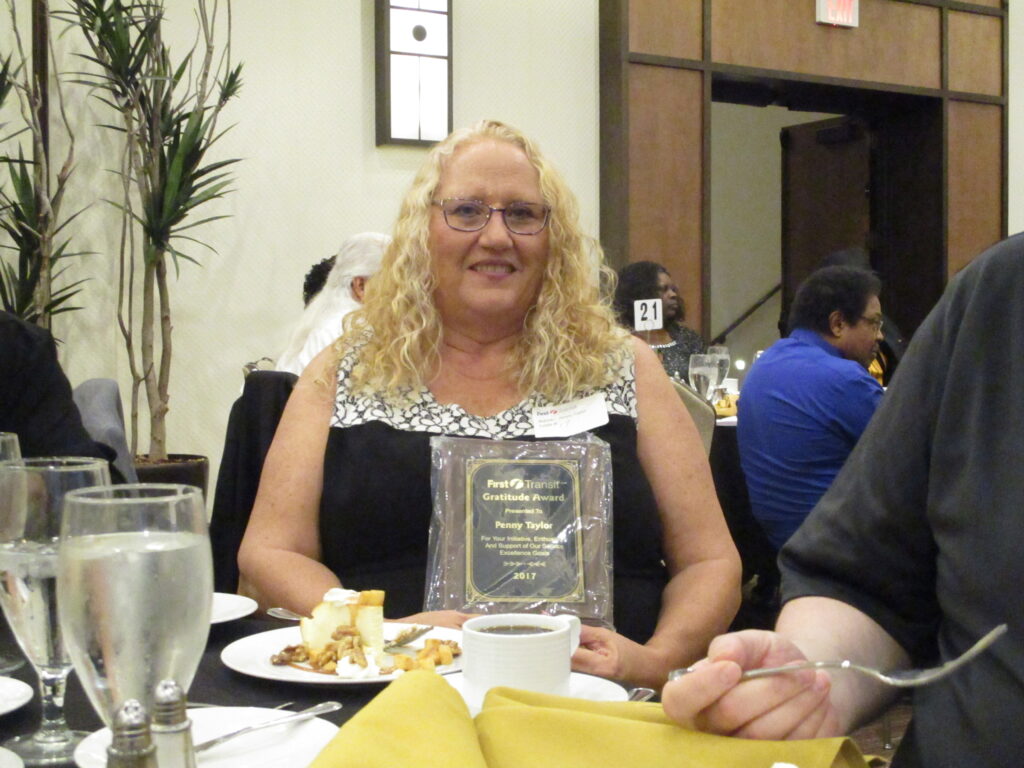
Penny Taylor is the accountant and bookkeeper for Camelback East Marketing, bringing more than 26 years of hands‑on experience keeping agency finances accurate, organized, and audit‑ready. She spent over two decades in the same role with A Working Website, where she supported a high volume of web and marketing projects with dependable, detail‑driven financial management.
At CEM, Penny oversees day‑to‑day bookkeeping, reconciliations, invoicing, and vendor payments so the team can stay focused on client work. She is known for her calm, methodical approach, her eye for catching small discrepancies before they become big issues, and her commitment to clear, transparent reporting that helps inform smart business decisions.
Who we are for (and who should skip this)
Good work depends on fit. The best outcomes come when expectations, pace, and responsibilities are clear from the start.
Good fit if:
Not a fit if:
About working with Camelback East Marketing (FAQ)
What kinds of businesses do you work with in Phoenix?
Primarily owner-led and marketing-led businesses in Phoenix, Biltmore, Arcadia, and Camelback East that need a clear operating system for their marketing, not just more channels.
Do you offer one-time projects or only ongoing work?
Both. Many relationships start with a defined project—such as a website rebuild, tracking overhaul, or local SEO sprint—and then move into an ongoing engagement if the working style is a fit.
What do you need from us to start?
Access to your existing tools (site, analytics, ad platforms, email), clarity on business goals, and a point person who can review and approve work on a regular cadence.
How do you handle scope changes midstream?
Changes are logged, sized, and either deferred to the next cycle, swapped with something of similar effort, or quoted as an add-on—so scope stays explicit instead of creeping silently.
What should we expect for timelines?
Timelines depend on scope, but the intent is always the same: short cycles, clear milestones, and visible progress instead of long, quiet stretches with no updates.
How do you report progress without performance hype?
Reporting focuses on what changed, what was learned, and what will be done next, supported by clean data from GA4, GTM, and your CRM, not cherry-picked screenshots.
If you want this handled properly, start here.
If you’re evaluating partners, don’t overthink it. Submit the intake, tell us what’s broken, and we’ll tell you what we’d fix first—based on evidence, not guesses.